Introduction
As large-format sintered stone continues to replace traditional marble and engineered quartz in modern architecture, the term Full Body Sintered Stone appears more frequently in product catalogs and project specifications. Many manufacturers promote it as a premium option, yet the meaning of "full body" is often misunderstood.
For architects, fabricators, distributors, and homeowners, understanding this technology is important because it affects not only the appearance of the finished surface but also fabrication quality and design possibilities.
This guide explains what full body sintered stone is, how it is manufactured, where it performs best, and whether it is the right choice for your project.
What Is Full Body Sintered Stone?
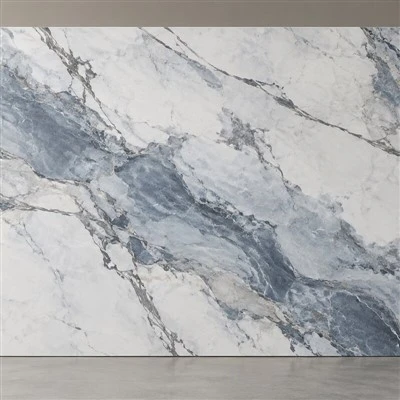
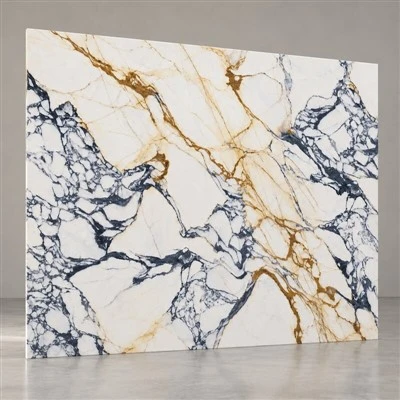
Full Body Sintered Stone is a type of sintered stone in which the decorative pattern extends beneath the surface instead of existing only as a printed layer. When the slab is cut, chamfered, or polished, the exposed edges maintain a pattern that closely matches the top surface.
This creates a more natural appearance, especially for applications where the slab edges remain visible.
Unlike standard decorative slabs, full body technology improves visual continuity after fabrication, making it particularly suitable for premium interior projects.


How Is Full Body Sintered Stone Manufactured?
The production process begins with natural minerals such as quartz, feldspar, clay, and silica. These materials are finely ground, blended, and compressed under extremely high pressure before being fired at temperatures exceeding 1,200°C.
For full body products, manufacturers use advanced digital synchronization techniques so the decorative effect is carried deeper into the slab. During fabrication, this allows the cut edges to retain a similar visual appearance to the surface.
After sintering, slabs undergo calibration, polishing, and strict quality inspection before fabrication or shipment.
What Makes Full Body Sintered Stone Different?
The primary difference is not strength but edge aesthetics.
With conventional surface-decorated slabs, the printed pattern is concentrated on the face of the slab. Once the material is cut, the exposed edge may reveal a solid-colored core.
Full body sintered stone minimizes this contrast by extending the decorative effect into the slab body, creating a more consistent appearance after processing.
This feature becomes especially valuable for projects that showcase exposed edges.
Key Benefits of Full Body Sintered Stone
Natural Edge Appearance
The decorative pattern continues beyond the surface, creating a seamless transition between the face and the edge of the slab.
This makes waterfall kitchen islands, thick countertop profiles, and luxury furniture appear more like natural stone.
Excellent Heat Resistance
Like other premium sintered stone products, full body slabs contain no resin binders.
They tolerate high temperatures without scorching, making them suitable for kitchens, fireplaces, and other demanding environments.
Low Water Absorption
The ultra-dense structure typically achieves a water absorption rate below 0.05%, helping prevent moisture penetration, staining, and bacterial growth.
Scratch and Wear Resistance
The compact mineral structure provides excellent resistance to everyday scratches and abrasion, making it suitable for both residential and commercial applications.
UV Stability
Full body sintered stone maintains its color even under prolonged sunlight, allowing it to be used for outdoor kitchens, façades, and architectural cladding.
Easy Maintenance
The non-porous surface does not require sealing. Routine cleaning with water and a mild detergent is sufficient for most installations.
Common Applications
Because of its premium appearance, full body sintered stone is widely used in projects where visible edges are part of the design.
Typical applications include:
Kitchen Spaces
Kitchen countertops
Waterfall islands
Backsplashes
Bathrooms
Vanity tops
Integrated washbasins
Shower wall panels
Interior Design
Feature walls
TV background walls
Fireplace surrounds
Dining tables
Coffee tables
Commercial Projects
Hotel reception counters
Retail display furniture
Office interiors
Restaurant countertops
Architectural Applications
Interior wall cladding
Exterior façades
Staircases
Decorative panels
Is Full Body Sintered Stone Better Than Standard Sintered Stone?
The answer depends on the project.
If the slab edges will be hidden during installation, a standard surface-decorated slab can deliver excellent performance and visual appeal.
However, when exposed edges play an important role in the final design, full body technology provides a more refined appearance and reduces the need for additional edge treatments.
In terms of durability, heat resistance, stain resistance, and water resistance, both high-quality full body and standard sintered stone products perform exceptionally well when manufactured to professional standards.
How to Choose Full Body Sintered Stone
Before placing an order, consider the following:
Confirm whether the decorative pattern continues into the slab body.
Request photos of polished edges rather than only the surface.
Review fabrication samples for waterfall edges or thick profiles.
Verify available slab sizes and thicknesses.
Check quality certifications and manufacturing standards.
These steps help ensure the product matches both the design intent and fabrication requirements.
Frequently Asked Questions
Is full body sintered stone stronger than standard sintered stone?
Not necessarily. Mechanical performance depends on raw materials, manufacturing quality, slab thickness, and production control. The main advantage of full body technology is its more natural edge appearance.
Does full body sintered stone require sealing?
No. Like other sintered stone products, it is non-porous and does not require periodic sealing.
Is full body sintered stone suitable for kitchen countertops?
Yes. It is an excellent choice for kitchen countertops, especially waterfall islands and designs with exposed edges.
Can it be used outdoors?
Yes. Its excellent UV resistance and weather stability make it suitable for outdoor kitchens, façades, and exterior wall cladding.
Is full body sintered stone more expensive?
Production technology is more complex, so full body products are often positioned as premium materials. The final price depends on slab size, thickness, finish, and fabrication requirements.
Conclusion
Full Body Sintered Stone combines the advanced performance of sintered stone with a more authentic stone appearance after fabrication. By extending the decorative pattern beyond the surface, it delivers cleaner edges, more consistent visual continuity, and greater design flexibility for premium residential and commercial projects.
While standard sintered stone remains an excellent choice for many applications, full body technology is particularly valuable for countertops, waterfall islands, furniture, and architectural features where exposed edges are part of the finished design. Understanding these differences helps architects, designers, fabricators, and homeowners choose the material that best suits their project goals.